The Role of Gear Oil in Reducing Wear and Tear
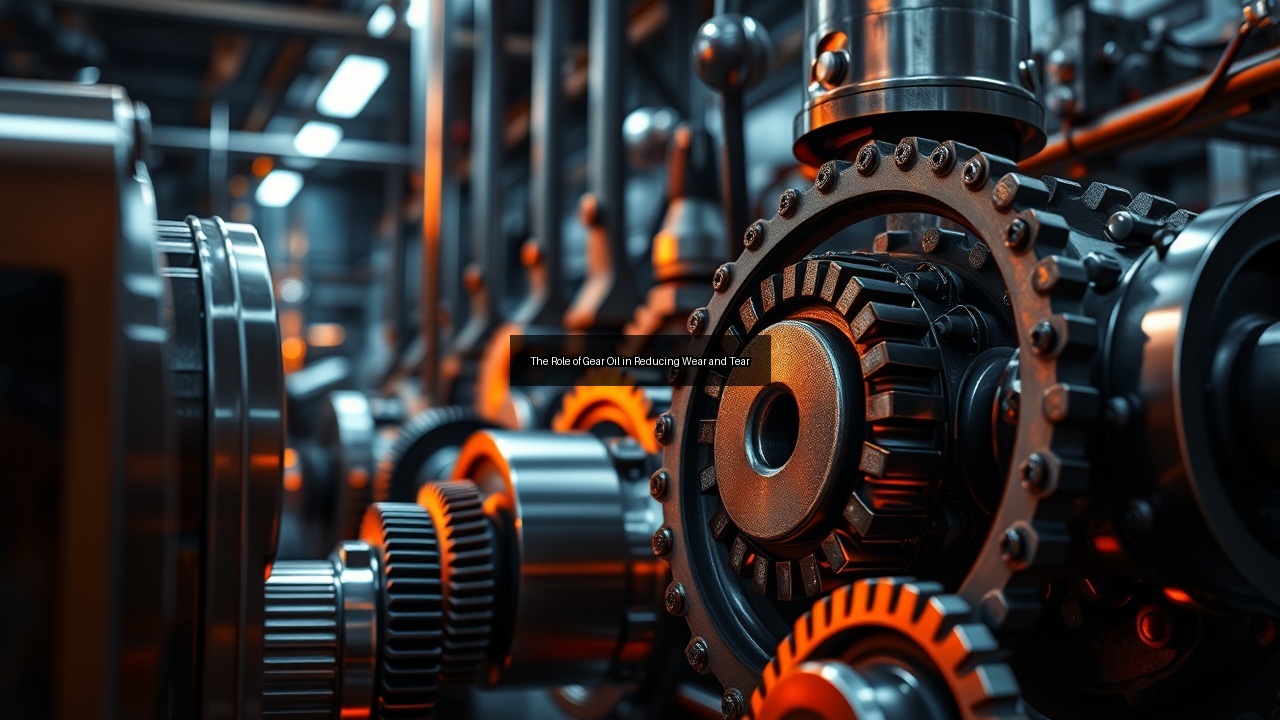
Understanding Gear Oil and Its Importance
What is Gear Oil?
Gear oil, a specialized lubricant, plays a crucial role in maintaining the efficiency and longevity of various gear systems. This thick, viscous oil is formulated to withstand high pressure and extreme temperatures, ensuring that the gears operate smoothly and effectively. Unlike standard motor oil, gear oil contains additives specifically designed to enhance its performance in high-load scenarios. These additives improve the oil’s ability to reduce friction, prevent rust, and inhibit foam formation. Gear oil is indispensable in automotive applications, particularly in gearboxes, differentials, and manual transmissions. By providing essential lubrication, gear oil prevents premature wear and tear, ensuring optimal performance and durability of the gears.
Types of Gear Oil: Synthetic vs. Conventional
Gear oils come in two primary types: synthetic and conventional. Synthetic gear oil is engineered using advanced chemical processes, resulting in a lubricant that offers superior performance under extreme conditions. It provides better thermal stability, reduced evaporation, and improved flow at low temperatures, making it ideal for high-performance vehicles. Conventional gear oil, derived from crude oil, serves as a cost-effective option for standard applications. While it offers adequate protection, it may not perform as well as synthetic oil in extreme temperatures or heavy-load scenarios. Understanding the differences between these two types of gear oil helps users make informed decisions based on their specific needs and vehicle requirements.
The Role of Gear Oil in Lubrication
Gear oil serves a vital function in lubrication, reducing friction between metal surfaces in gears. This reduction in friction minimizes wear, extending the lifespan of gears and their associated components. Effective lubrication also promotes efficient operation, allowing gears to mesh smoothly without unnecessary resistance. Gear oil forms a protective film over the surfaces of the gears, counteracting the effects of moisture, dirt, and other contaminants that could lead to corrosion and wear. Furthermore, the right gear lubricant can help manage heat buildup from friction, preventing thermal degradation that can compromise the integrity of the gears. In essence, proper lubrication through gear oil ensures that gear systems function optimally, providing reliable performance in various applications.
Mechanisms of Wear and Tear in Gears
Factors Contributing to Gear Wear
Several factors contribute to the wear and tear of gears, impacting their performance and longevity. High load and pressure conditions are primary contributors, often leading to increased friction and heat generation. Over time, this can cause surface damage, pitting, and deformation of gear teeth. Poor lubrication exacerbates these issues, as inadequate gear oil fails to create a sufficient protective film. Contaminants like dirt, metal shavings, and moisture can also infiltrate the gear system, accelerating wear. Additionally, misalignment or improper installation of gears can create uneven stress distribution, leading to localized wear. Understanding these factors provides insights into the importance of regular maintenance and the appropriate selection of gear lubricants to mitigate wear and extend the lifespan of gear systems.
How Gear Oil Reduces Friction
Gear oil significantly reduces friction by creating a thin lubricating film between gear surfaces. This film acts as a barrier, preventing direct metal-to-metal contact and minimizing wear. The viscosity of the gear oil is a key factor; it dictates how well the oil can maintain its film strength under varying load conditions. High-viscosity gear oils can better resist shear forces, ensuring that the protective film remains intact even in high-pressure situations. Additionally, specialized additives in gear oil, such as anti-wear agents and friction modifiers, enhance its performance, allowing the lubricant to adapt to the specific demands of the gear system. This reduction in friction not only prolongs the life of the gears but also improves overall efficiency, enabling smoother operation and less energy loss.
The Impact of Temperature on Gear Longevity
Temperature plays a critical role in the longevity of gears and the effectiveness of gear oil. High temperatures can lead to thermal degradation of the lubricant, reducing its ability to protect against wear and increasing the likelihood of failure. Gear oils with high thermal stability can resist breakdown at elevated temperatures, maintaining their lubricating properties longer. Conversely, low temperatures can cause gear oil to thicken, leading to inadequate lubrication during startup and increased wear. Using the right gear oil with appropriate viscosity ratings tailored to specific temperature ranges ensures optimal performance. Regular monitoring of operating temperatures and timely oil changes are essential practices for maximizing gear longevity and maintaining efficient operation.
Applications of Gear Oil in Different Systems
Gear Oil in Manual Transmissions
Manual transmissions rely heavily on the use of gear oil for optimal performance. In these systems, gear oil lubricates the gears and bearings, facilitating smooth gear shifts and reducing wear. The right gear lubricant ensures that the transmission operates efficiently, preventing grinding or sticking during shifting. Additionally, gear oil helps dissipate heat generated during operation, maintaining an ideal temperature range. Many manual transmissions require specific gear oils that meet API and SAE specifications, ensuring compatibility and effectiveness. Regularly checking and replacing gear oil in manual transmissions is essential for maintaining performance and prolonging the life of the transmission components.
The Role of Gear Lubricants in Differentials
Differentials play a crucial role in a vehicle’s drivetrain, allowing wheels to rotate at different speeds during turns. Gear lubricants in differentials reduce friction and wear on the gears, ensuring smooth operation. These lubricants must withstand high pressures and temperatures, particularly in performance vehicles or heavy-duty applications. Using the correct gear oil for differentials not only enhances performance but also minimizes the risk of overheating and component failure. Many differentials also utilize limited-slip additives in their gear oil to improve traction and handling. Regular maintenance of differential gear oil is vital to prevent excessive wear and ensure reliable performance.
Using Gear Oil in Transaxles
Transaxles combine the functions of a transmission and differential, making the choice of gear oil particularly important. These systems require gear lubricants that provide excellent protection against wear and thermal degradation. The unique design of transaxles demands a lubricant that can handle the dual role of supporting gear function and managing heat. Selecting the appropriate gear oil for transaxles involves understanding the specific API and SAE ratings recommended by the manufacturer. Regularly inspecting and changing gear oil in transaxles ensures optimal performance, enhances fuel efficiency, and extends the lifespan of the components.
Choosing the Right Gear Oil for Your Needs
Understanding API and SAE Ratings
API (American Petroleum Institute) and SAE (Society of Automotive Engineers) ratings provide essential guidance when choosing gear oil. API ratings indicate the oil's performance level, while SAE ratings define its viscosity. For example, a gear lubricant with an API GL-5 rating meets high performance standards for gear protection. Understanding these ratings helps users select suitable gear oil based on the demands of their vehicle and operating conditions. Always consult the owner’s manual or manufacturer specifications to ensure the chosen gear oil meets the necessary performance criteria.
Identifying Suitable Gear Lube for Your Vehicle
Identifying the right gear lube for your vehicle requires understanding both the type of gear system and the manufacturer's recommendations. Different applications, such as manual transmissions, differentials, and transaxles, may require specific formulations. Consider factors like load capacity, operating temperatures, and environmental conditions. Synthetic gear oils often offer enhanced performance in extreme conditions, while conventional oils may suffice for standard applications. Evaluating your driving habits and vehicle usage will guide you in selecting the most effective gear lubricant for your needs.
The Importance of Regular Gear Oil Maintenance
Regular gear oil maintenance is critical for ensuring the longevity and performance of gear systems. Over time, gear oil can become contaminated with dirt, debris, and metal particles that can accelerate wear. Regularly checking the oil level and condition helps identify potential issues before they become severe problems. Changing gear oil according to the manufacturer’s recommendations prevents thermal degradation and maintains optimal lubrication. Routine maintenance not only extends the life of gears but also enhances overall vehicle performance. Implementing a consistent gear oil maintenance schedule protects your investment and ensures reliable operation.