Understanding the Unique Properties of PEEK in Machining
Introduction to PEEK and Its Properties
What is PEEK?
Polyether ether ketone (PEEK) stands out as a high-performance engineering plastic. Renowned for its exceptional thermal stability and mechanical strength, PEEK serves a variety of industries, including aerospace, automotive, and medical. This semicrystalline thermoplastic exhibits remarkable resistance to chemicals, making it suitable for applications where traditional plastics would fail. PEEK can withstand temperatures up to 250°C (482°F) without losing its structural integrity, allowing it to function effectively in demanding environments. Understanding the characteristics of PEEK is crucial for those involved in machining and manufacturing applications, as its unique properties significantly influence the choice of machining techniques and tools.
Key Properties of Polyether Ether Ketone
PEEK boasts several key properties that enhance its appeal in machining applications. Its high tensile strength and stiffness make it an excellent choice for components that require durability. The material exhibits low friction and excellent wear resistance, which contributes to longer tool life and reduced operational costs during machining. PEEK also offers outstanding resistance to radiation and hydrolysis, making it a reliable option in medical devices and other specialized applications. Additionally, PEEK's low moisture absorption rate ensures stability in humid environments, which is critical for precision machining. These properties make PEEK a go-to material for engineers seeking reliable and high-quality machined parts.
Advantages of Using PEEK in Machining
The advantages of using PEEK in machining extend beyond its physical properties. First and foremost, its ability to maintain mechanical performance at elevated temperatures allows for the production of components that can function in extreme conditions. PEEK's chemical resistance means it can endure exposure to solvents and corrosive substances, further broadening its application scope. Moreover, PEEK's machinability is often comparable to metals, allowing for high-precision components with tight tolerances. The material's inherent properties reduce the likelihood of defects and failures, enhancing the overall reliability of machined PEEK parts. Lastly, the lightweight nature of PEEK contributes to improved efficiency in applications where weight reduction is critical.
Machining Techniques for PEEK
CNC Machining: The Preferred Method for PEEK
CNC machining has become the preferred method for producing PEEK machined parts due to its precision and adaptability. Computer Numerical Control (CNC) allows for automated machining processes that ensure consistent quality and accuracy across multiple components. This technique is particularly advantageous when producing complex geometries or tight tolerances that manual machining cannot achieve. CNC machining also minimizes human error, leading to reduced waste and enhanced productivity. Machinists can utilize various CNC machining techniques, including milling and turning, to craft intricate PEEK parts that meet specific engineering requirements. The versatility of CNC machining makes it the ideal choice for industries demanding high-performance components.
CNC Milling and Its Effectiveness on PEEK Parts
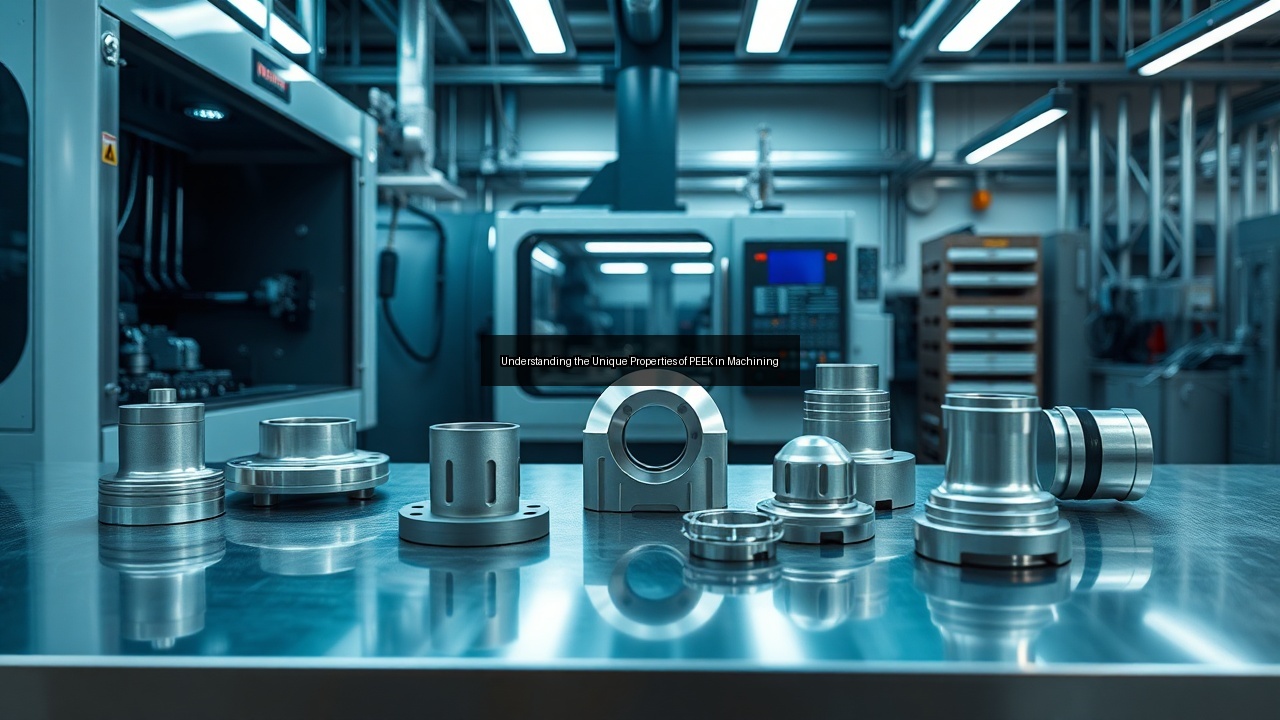
CNC milling plays a crucial role in the effective machining of PEEK parts. This process involves removing material from a workpiece using rotary cutters, allowing for high precision and fine details. The inherent properties of machining in PEEK PEEK, such as its toughness and low thermal expansion, make it suitable for CNC milling operations. Machinists can achieve intricate shapes and features while maintaining the integrity of the material. Additionally, CNC milling permits the use of various cutting tools, enabling engineers to optimize their machining processes for different designs and requirements. Proper tool selection and cutting parameters are essential to ensure optimal performance and surface finish on machined PEEK parts.
Understanding Tool Wear in PEEK Machining
Tool wear presents a significant consideration in machining PEEK materials. The hardness and thermal properties of PEEK can lead to increased tool wear, necessitating the use of specialized cutting tools to extend tool life. Factors such as cutting speed, feed rate, and tool geometry influence the rate of wear. Using carbide or coated tools can mitigate wear and enhance the machining process. Regular monitoring of tool conditions can help machinists identify wear patterns and adjust machining parameters accordingly. Understanding the nuances of tool wear in PEEK machining can lead to improved efficiency and cost-effectiveness, ensuring that production meets both quality and budgetary constraints.
Applications of Machined PEEK Parts
Common Applications in Engineering
PEEK machined parts find their way into numerous engineering applications across various industries. In aerospace, PEEK components contribute to weight reduction and fuel efficiency without compromising safety standards. The automotive sector employs PEEK for engine components, bushings, and seals, where durability and heat resistance are essential. In the medical field, PEEK is utilized for surgical instruments and implants due to its biocompatibility and strength. Additionally, PEEK's electrical insulation properties make it ideal for electronic applications, such as connectors and housings. As industries continue to evolve, the demand for PEEK machined parts will likely increase, driven by their performance and reliability in critical applications.
Role of PEEK in Valve Manufacturing
In valve manufacturing, PEEK plays a pivotal role due to its exceptional mechanical properties and resistance to wear and corrosion. Valves made from PEEK can withstand harsh operating conditions, such as high pressure and extreme temperatures, making them suitable for oil and gas, chemical processing, and water treatment applications. The lightweight nature of PEEK contributes to the overall efficiency of valve systems, while its machinability allows for the production of precise valve components. PEEK's low friction properties also enhance the performance of valve seals and seats, leading to improved sealing capabilities and reduced leakage. Consequently, PEEK machined parts have become essential in the production of high-performance valves.
Comparison with Injection Molded Plastics
When comparing PEEK machined parts to those produced through injection molding, several differences emerge. While injection molded plastics offer cost advantages for high-volume production, they often lack the precision and mechanical properties found in machined PEEK components. Machined PEEK allows for tighter tolerances and complex geometries that may be unachievable through injection molding. Furthermore, the superior thermal and chemical resistance of PEEK makes it a more reliable choice for demanding applications. On the other hand, injection molding can be more efficient for large quantities of simpler parts. Ultimately, the choice between PEEK machining and injection molding depends on the specific requirements of the application, including performance, precision, and cost considerations.
Cost Considerations and Tolerances in PEEK Machining
Evaluating the Cost of Machining PEEK Parts
The cost of machining PEEK parts often raises questions among manufacturers and engineers. Several factors influence the overall expense, including material costs, machining time, and tool wear. PEEK generally has a higher raw material cost compared to traditional plastics, but its performance advantages can justify the investment in high-stakes applications. Machining time can vary based on the complexity of the part and the chosen machining techniques. Efficient machining strategies and the right tooling can significantly lower costs, making it essential for manufacturers to evaluate their processes comprehensively. Despite the initial expense, the long-term benefits of PEEK machined parts often outweigh the costs, especially in critical applications.
Importance of Tolerance in PEEK Machined Components
Tolerance plays a crucial role in the machining of PEEK components. Precision in machining ensures that parts fit together correctly and function as intended within assemblies. Tight tolerances are particularly vital in applications like aerospace and medical devices, where even minor deviations can lead to failures. Engineers must specify appropriate tolerances based on the performance requirements and the capabilities of the machining process. Advanced CNC machining allows for high precision, but understanding the limits of the material and process is critical. Investing in high-quality machining and tools can help achieve the necessary tolerances, ultimately ensuring the reliability and functionality of the machined PEEK parts.
Surface Finish Requirements for PEEK Parts
The surface finish of PEEK machined parts directly impacts their performance and functionality. A smooth surface can enhance the wear resistance and reduce friction, which is essential in applications involving moving parts. Achieving the desired surface finish requires careful consideration of machining parameters, such as feed rate and tool selection. Techniques like polishing or utilizing specific cutting tools can improve the surface quality of PEEK components. Manufacturers must balance the need for a superior surface finish with production efficiency and cost. Understanding the requirements for surface finish in PEEK machining ensures that the final product meets both aesthetic and functional standards.