Innovative Features to Look for in Modern Industrial Dehumidifiers
Understanding Dehumidification Technology
The Science Behind Dehumidifiers
Industrial dehumidifier units remove excess air moisture through condensation or absorption processes that lower humidity levels effectively. Engineers rely on principles of thermodynamics where warm air passes over cooled coils and releases water vapor as liquid. This dehumidification method prevents corrosion and mold growth in manufacturing spaces. Operators measure performance by tracking dew points to ensure environments stay below critical thresholds. Modern systems integrate sensors that adjust operations automatically based on real-time humidity data. Facilities achieve consistent results when they select units calibrated for high-volume air processing. Understanding these fundamentals helps teams choose dehumidifiers for industrial locations that match specific production demands without wasting energy on overcooling.
Key Components of Industrial Dehumidifiers
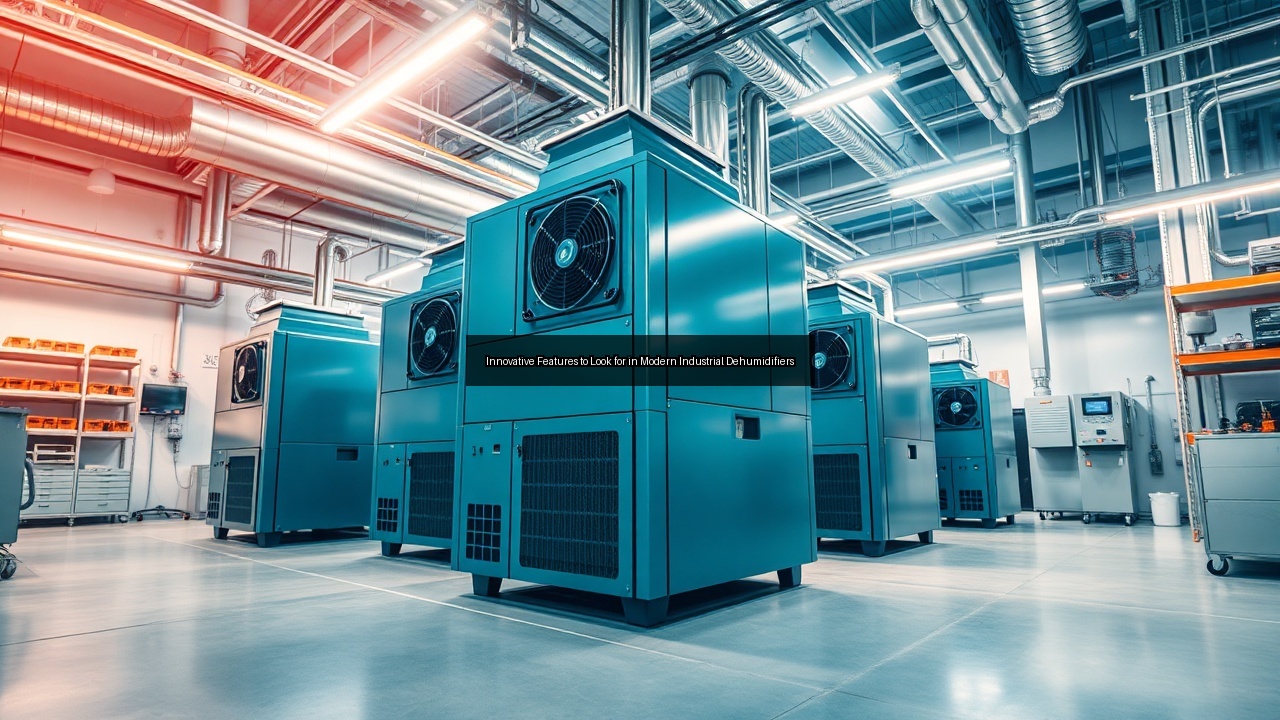
Every industrial dehumidifier contains a compressor, evaporator coils, condenser, and drainage system that work together to extract moisture. The blower drives air across these elements at targeted cfm rates to maximize contact time with cooling surfaces. Desiccant wheels appear in advanced models to handle lower dew points where standard refrigeration falls short. Control panels allow precise settings for temperature and humidity while monitoring filter status and coil temperatures. Robust casings protect internal parts from dust and vibrations common in factories. Replacement parts like fans and sensors must match original specifications to maintain efficiency. Selecting components rated for continuous duty ensures the dehumidifier for industry operates reliably during extended shifts.
Benefits of Advanced Dehumidification Techniques
Advanced dehumidification techniques deliver faster moisture removal and lower operating costs compared with older models. Facilities report reduced energy consumption when variable-speed compressors match load requirements instead of running at full power constantly. These methods also improve air quality by capturing airborne particles alongside water vapor. Production lines experience fewer defects because stable humidity protects sensitive materials from warping or clumping. Workers notice more comfortable conditions that support higher output without additional hvac adjustments. Long-term savings accumulate through decreased maintenance needs and extended equipment life. Companies that adopt these techniques gain competitive edges in sectors where precise climate control determines product quality and regulatory compliance.
Innovative Features in Modern Industrial Dehumidifiers
Smart HVAC Integration for Enhanced Climate Control
Smart hvac integration connects industrial dehumidifiers directly to central building systems for coordinated climate control. Sensors share data on humidity, temperature, and airflow so the entire network adjusts in unison. This setup eliminates conflicts between separate units that previously fought each other for dominance. Facility managers program schedules through apps that respond to production shifts or weather changes automatically. Integration also enables remote diagnostics that flag issues before they halt operations. Plants achieve tighter dew point control across multiple zones without manual intervention. The result appears in stable conditions that support consistent output and reduce the risk of costly downtime from unbalanced environments.
Advanced Blower Systems and CFM Performance
Advanced blower systems in modern industrial dehumidifiers push higher cfm volumes while consuming less electricity. Variable frequency drives let operators fine-tune airflow to match exact moisture loads instead of running at fixed speeds. Larger impellers and optimized blade designs reduce noise and vibration that once disrupted nearby workstations. These upgrades allow single units to cover bigger floor areas without adding extra equipment. Engineers test performance under real conditions to verify that cfm ratings hold steady even with dirty filters or high ambient temperatures. Facilities gain flexibility when they install models that scale output quickly during peak humidity events. Proper blower selection directly influences how effectively the dehumidifier maintains target conditions throughout demanding industrial cycles.
Energy Efficiency and Sustainability Features
Energy efficiency features in contemporary industrial dehumidifiers include heat recovery modules that reuse waste warmth for other processes. Desiccant rotors regenerate with lower temperatures than previous generations, cutting overall power draw significantly. Units now carry certifications that verify reduced carbon output and compliance with environmental standards. Built-in economizers draw free cooling from outside air when conditions permit, further lowering compressor runtime. Facilities track savings through onboard meters that display real-time consumption data. These advancements support corporate sustainability goals while delivering reliable dehumidifying performance. Companies that prioritize such features often qualify for utility rebates that offset initial purchase costs and accelerate return on investment.
Applications of Industrial Dehumidifiers
Food Packaging and Preservation
Food packaging lines depend on industrial dehumidifiers to keep moisture levels low enough to prevent spoilage and clumping. Excess humidity causes powders to absorb water and form lumps that jam filling equipment. Controlled environments also inhibit bacterial growth on surfaces that contact products. Operators monitor dew points closely during sealing processes to ensure packages remain airtight and shelf-stable. Plants that install dedicated dehumidifiers for industrial locations report longer product shelf life and fewer returns from customers. Consistent dehumidification supports regulatory inspections by demonstrating adherence to hygiene protocols. The equipment pays for itself through reduced waste and smoother production runs that avoid moisture-related stoppages.
Electronics Manufacturing and Protection
Electronics manufacturing requires strict humidity control because even small amounts of air moisture corrode circuits and cause condensation inside components. An industrial dehumidifier maintains dew points below thresholds that trigger failures during assembly and testing. Cleanrooms integrate these units with filtration systems to protect sensitive boards from particulate contamination as well. Engineers adjust cfm rates to balance rapid drying with minimal airflow that could disturb delicate soldering operations. Facilities experience higher yields and lower defect rates when humidity stays constant across shifts. Protection extends to storage areas where finished goods await shipping. Investing in targeted dehumidifying equipment safeguards expensive inventory and maintains reputation for reliable output.
Pharmaceutical Industry Standards and Requirements
The pharmaceutical industry enforces rigorous humidity standards that industrial dehumidifiers help meet during tablet compression and coating stages. Excess moisture alters drug stability and potency, risking batch rejection during quality checks. Systems with desiccant technology reach the ultra-low dew points needed for certain active ingredients. Validation protocols require documented performance data that modern units supply through built-in logging functions. Cleanable components and antimicrobial coatings support strict sanitation rules that govern production spaces. Compliance teams verify that dehumidifiers maintain conditions specified in standard operating procedures. Reliable equipment prevents costly recalls and supports continuous manufacturing schedules demanded by global supply chains.
Troubleshooting Common Issues in Industrial Dehumidifiers
Identifying Dew Point Problems
Dew point problems surface when an industrial dehumidifier fails to reach or hold target humidity levels despite continuous operation. Technicians first check sensor calibration because inaccurate readings mislead control systems into underperforming. Blocked coils or dirty filters restrict airflow and raise dew points unexpectedly. Operators compare inlet and outlet readings to isolate whether the issue lies in the refrigeration circuit or the drainage path. Persistent high dew points often indicate refrigerant leaks or compressor wear that require immediate attention. Regular logging of dew point trends reveals gradual declines before they affect production. Accurate identification speeds repairs and prevents extended exposure of materials to damaging moisture levels.
Maintenance Tips for Optimal Performance
Maintenance tips for industrial dehumidifiers emphasize scheduled filter changes and coil cleaning to sustain high cfm output. Technicians inspect drain lines weekly to clear blockages that cause water backup and potential shutdowns. Lubricating blower bearings and checking electrical connections prevents unexpected failures during critical runs. Desiccant wheels need periodic inspection for saturation or channeling that reduces absorption capacity. Recording runtime hours helps predict when components approach end of life. Facilities that follow manufacturer guidelines experience fewer breakdowns and longer service intervals. Consistent upkeep keeps energy use low and protects the investment in climate control equipment across demanding industrial environments.
When to Seek Professional Help
Professional help becomes necessary when troubleshooting steps fail to restore normal dehumidifier function or when error codes persist after basic resets. Certified technicians possess specialized tools to test refrigerant pressures and electrical loads that exceed standard maintenance capabilities. Complex hvac integration issues often require software updates or network diagnostics best handled by experts. Safety concerns arise around high-voltage components or pressurized systems that untrained staff should never attempt to service. Timely calls prevent minor faults from escalating into major repairs or production halts. Service contracts with reputable providers ensure rapid response and access to genuine replacement parts for industrial dehumidifiers operating in harsh conditions.